Plumbing Valves: Your Fall and Winter Survival Guide
Fall and winter bring a host of challenges, from chilly temperatures to potential plumbing issues. While you’re prepping your home for the changing seasons, don’t forget your plumbing valves. Proper maintenance and understanding how to use them can prevent costly repairs and keep your home comfortable and safe.
Why are Plumbing Valves Important?
Plumbing valves are the gatekeepers of your water supply. They allow you to control the flow of water to specific areas of your home, be it the entire house, individual fixtures, or even outside faucets. They’re crucial for:
- Preventing Water Damage: A leaky faucet or a burst pipe can lead to significant water damage, especially in cold weather. Valves allow you to quickly shut off the water supply, minimizing the damage.
- Maintaining Efficiency: Valves help ensure that water is only flowing where it’s needed, conserving water and lowering your utility bills.
- Ensuring Safety: Valves are essential for safety in plumbing emergencies. They provide a way to shut off water quickly and effectively.
Types of Plumbing Valves You Need to Know:
- Main Water Shut-off Valve: This is the most important valve in your home. Located usually in the basement or utility room, it controls the water supply to your entire house. Knowing its location is critical in a plumbing emergency.
- Individual Fixture Valves: Faucets, toilets, and other fixtures have valves that control the water flow to those specific areas.
- Outdoor Faucet Valves: These valves control the water supply to your outdoor faucets. Make sure they’re properly insulated to prevent freezing.
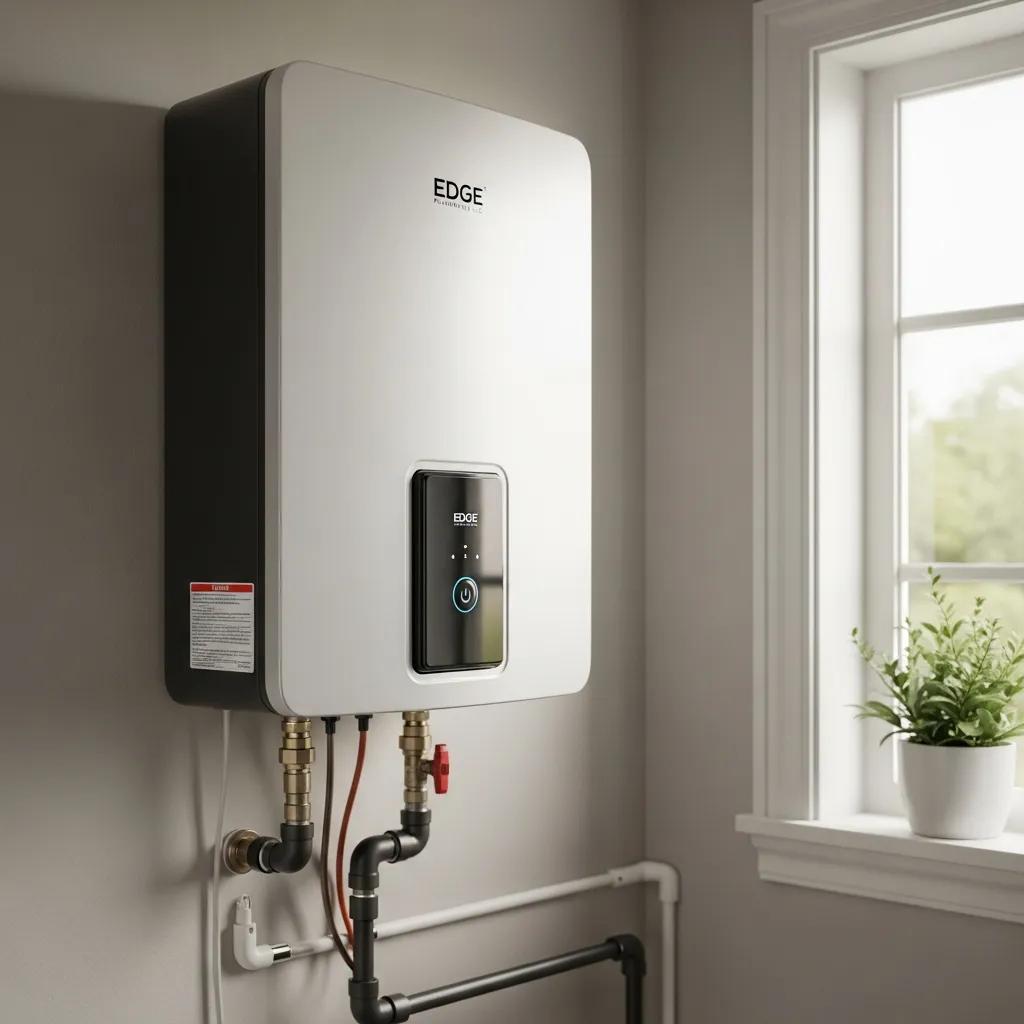
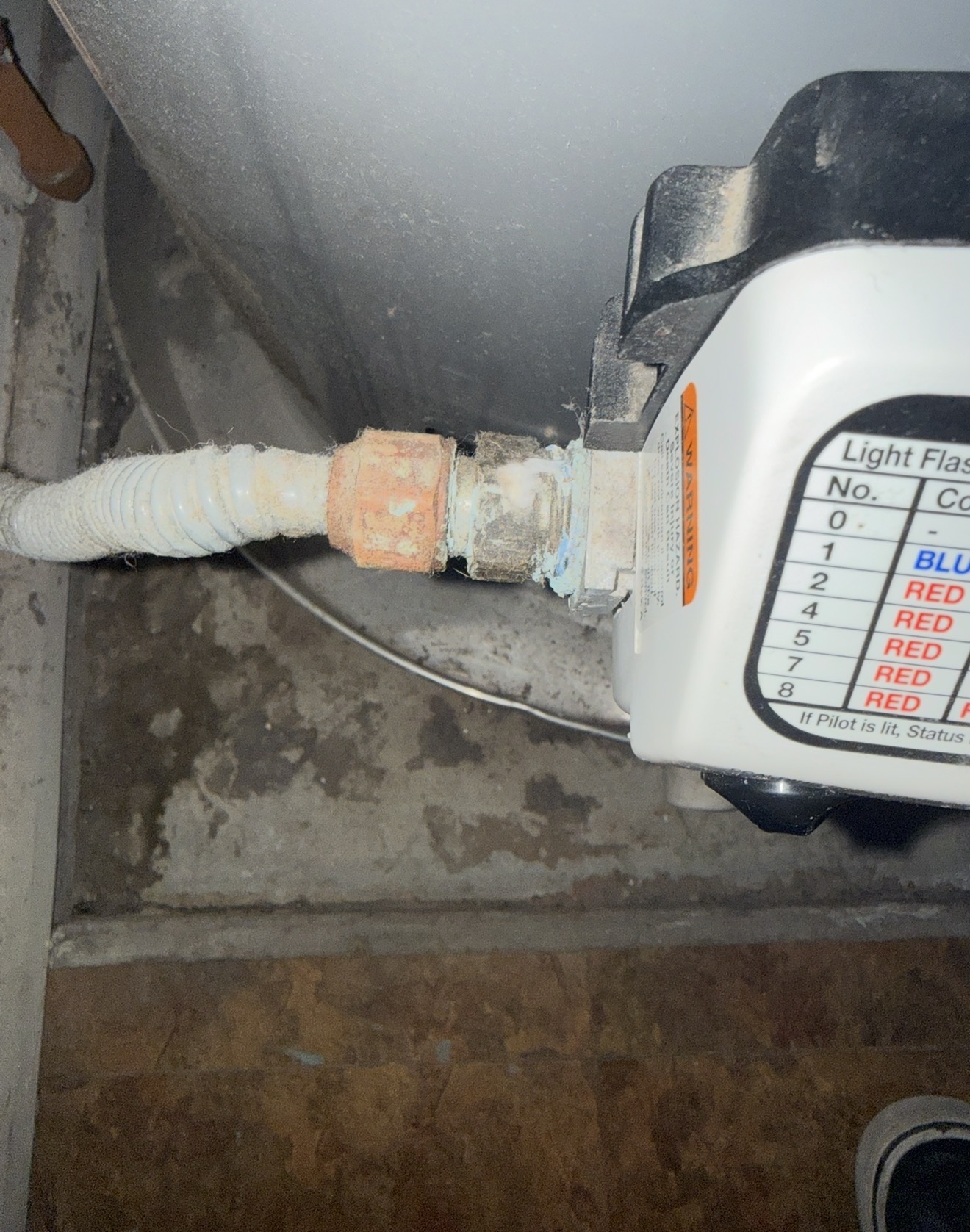
- Water Heater Valves: This valve regulates water flow to your water heater and is important for maintenance.
Exercising Your Valves: A Fall/Winter Checklist
1. Locate Your Valves: Take a moment now to locate all of your main water shut-off valves and individual fixture valves. Make sure everyone in your household knows where they are.
2. Check for Leaks: Inspect all valves for leaks. A dripping valve can waste